

Gorgona


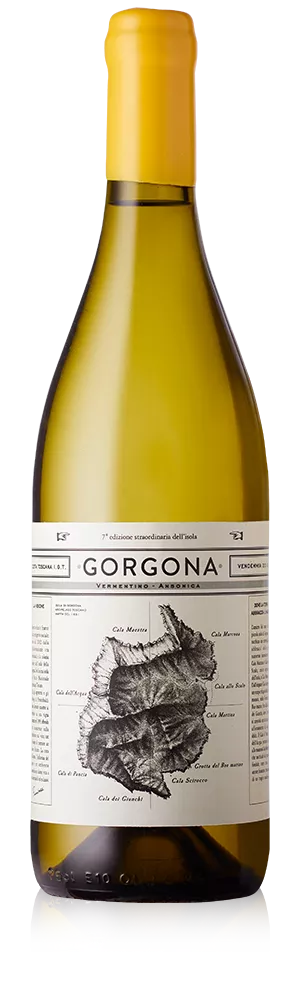
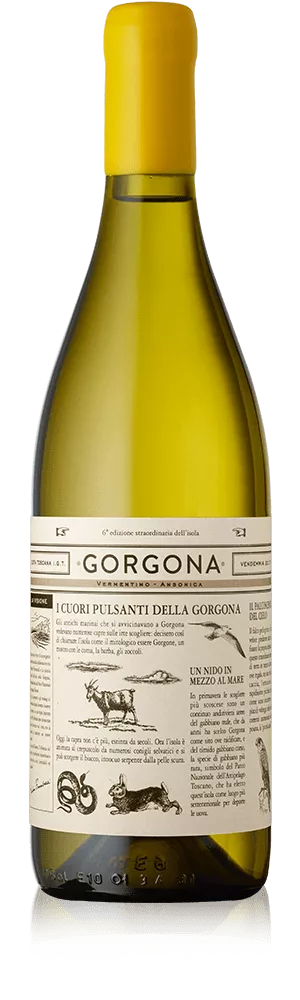
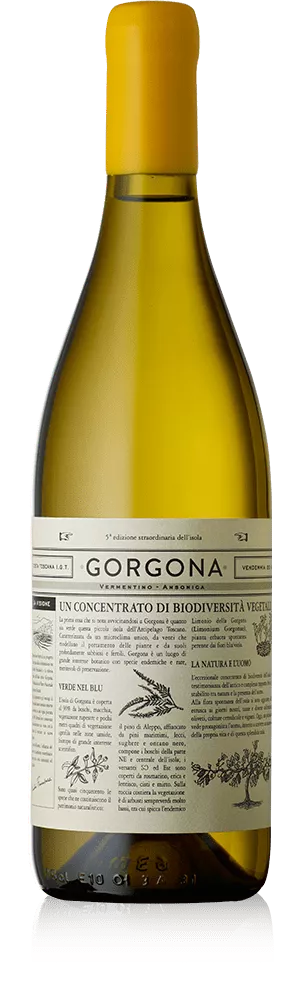
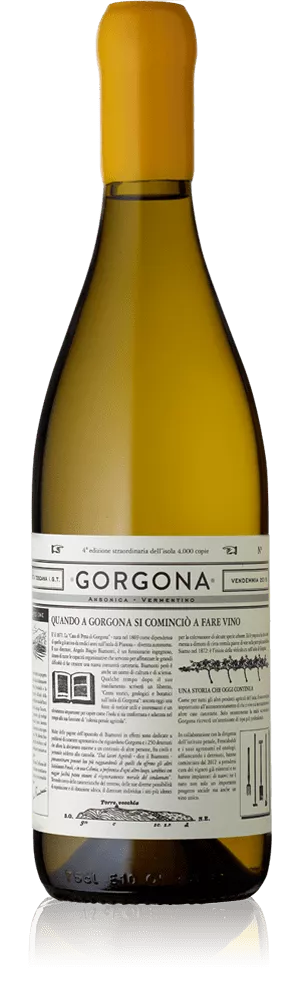
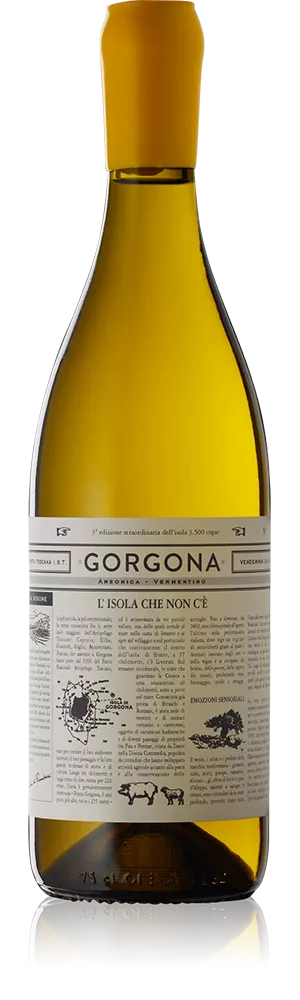
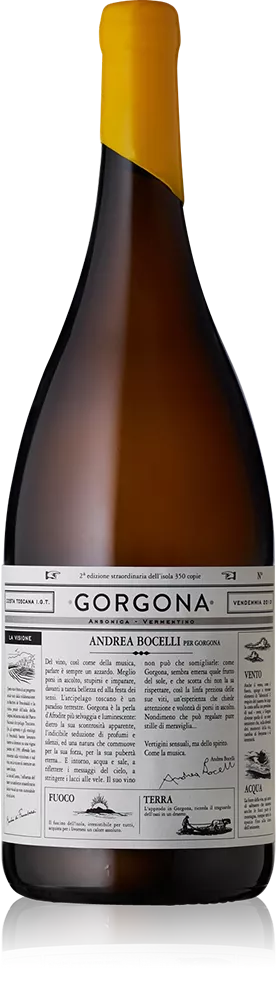
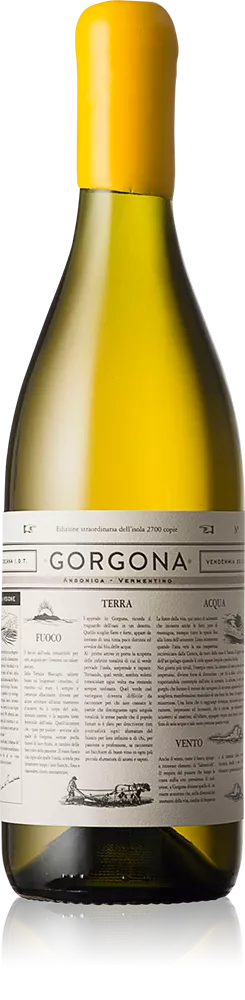

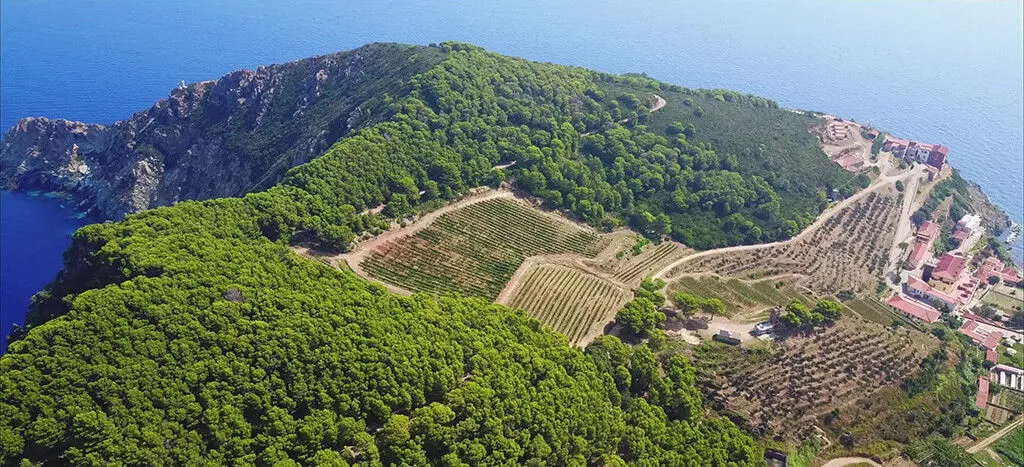
After a rainy autumn with temperatures in line with seasonal averages, winter in Gorgona was slightly colder than in previous years, with frequent and evenly distributed rainfall throughout January and February, culminating in severe thunderstorms in March. The budding of the Vermentino vines took place in the first week of April, while the Ansonica bud break waited until the middle of the month. Spring saw mild average temperatures, with a sudden increase in June. Thanks to the significant mitigating effect of the sea, the vines developed regularly, and the high temperatures in June allowed the vines to stay perfectly healthy during fruit set. The temperature then dropped slightly during the months of July and August, which were cooler and well-ventilated, with isolated rainfall that helped the bunches to develop nicely. The Vermentino harvest began in the second week of September, while the Ansonica was picked during the second half of the month. September's cool, sunny days allowed us to wait for all the grape varieties to achieve the optimal level of ripeness before harvesting.

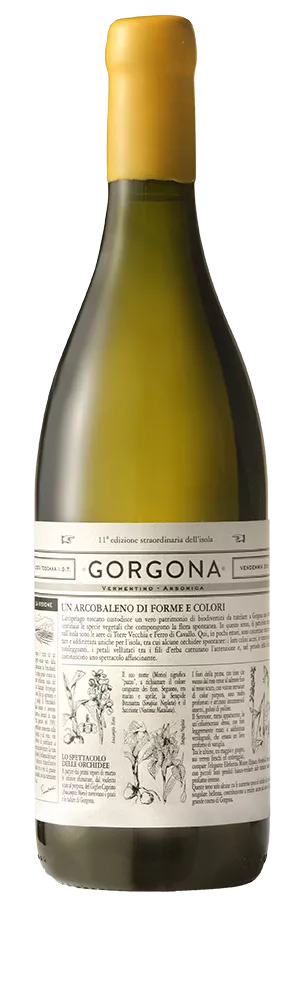
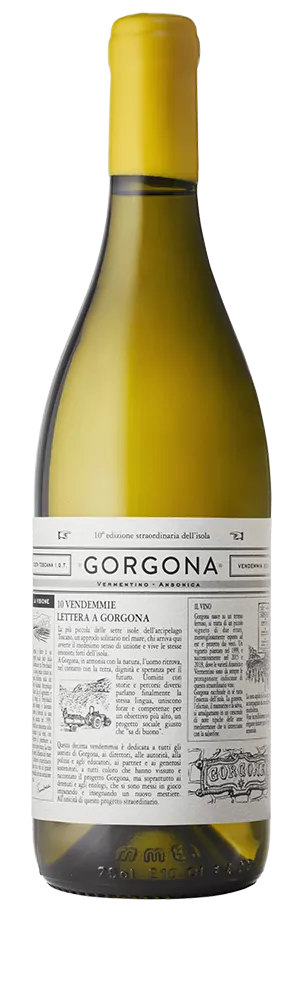
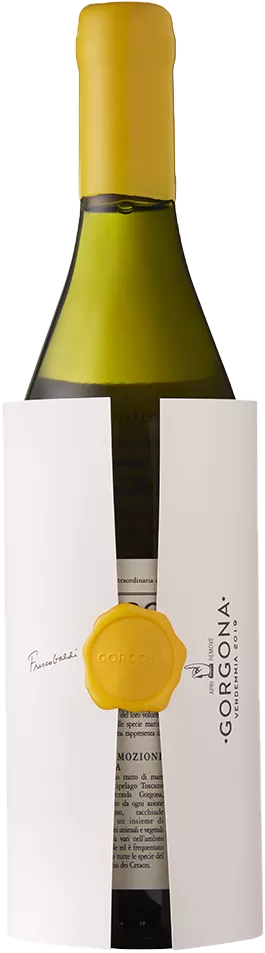
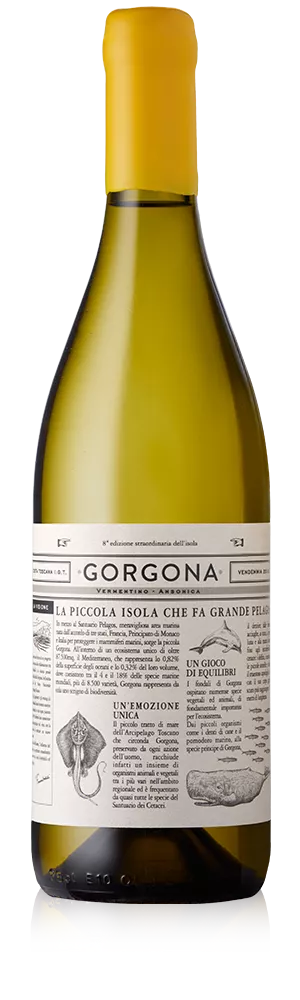
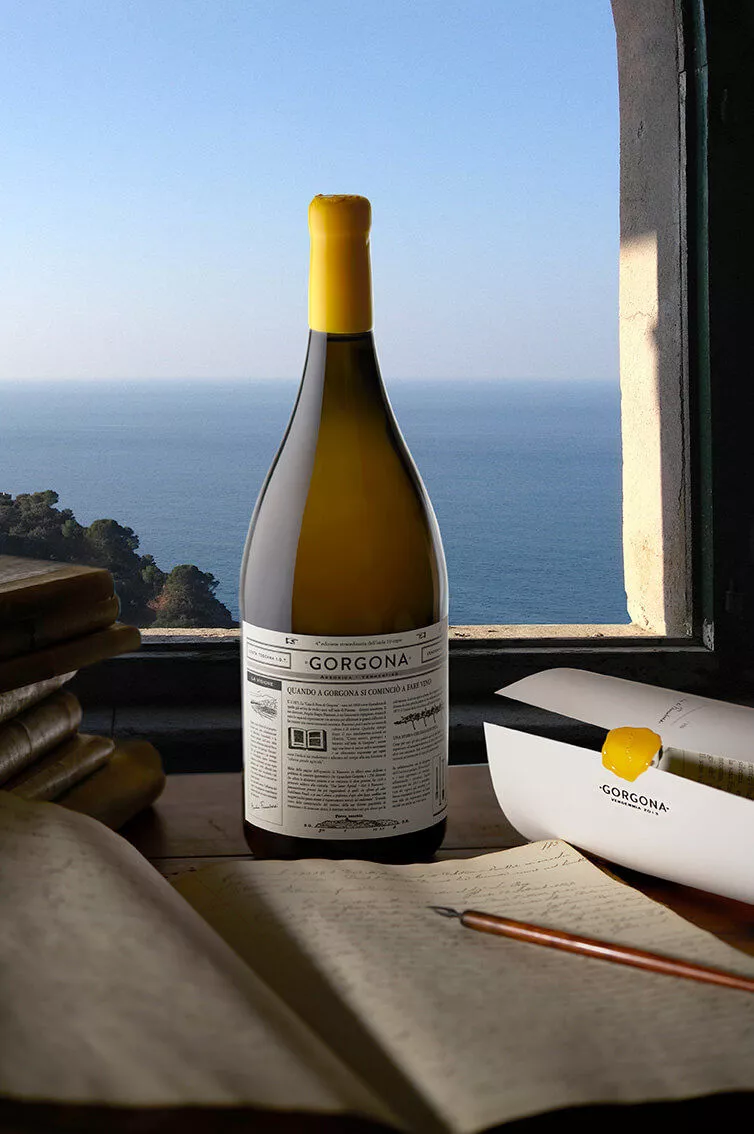
Organoleptic Notes: Gorgona 2025 is a bright straw-yellow colour with light golden reflections. The bouquet is the truest maritime expression of Vermentino and Ansonica, masterfully capturing the warmth of the sun and the fresh sea breeze. The first scents to emerge are reminiscent of Mediterranean scrub, with hints of thyme, sage, and helichrysum, combined with floral notes of chamomile, acacia, and jasmine. Subsequently, fruity notes of citrus and yellow and white stone fruit with delicate tropical notes emerge, becoming more accentuated with time. Each sip is fresh and savoury. Long finish.
After a rainy autumn with temperatures in line with seasonal averages, winter in Gorgona was slightly colder than in previous years, with frequent and evenly distributed rainfall throughout January and February, culminating in severe thunderstorms in March. The budding of the Vermentino vines took place in the first week of April, while the Ansonica bud break waited until the middle of the month. Spring saw mild average temperatures, with a sudden increase in June. Thanks to the significant mitigating effect of the sea, the vines developed regularly, and the high temperatures in June allowed the vines to stay perfectly healthy during fruit set. The temperature then dropped slightly during the months of July and August, which were cooler and well-ventilated, with isolated rainfall that helped the bunches to develop nicely. The Vermentino harvest began in the second week of September, while the Ansonica was picked during the second half of the month. September's cool, sunny days allowed us to wait for all the grape varieties to achieve the optimal level of ripeness before harvesting.
Organoleptic Notes: Gorgona 2025 is a bright straw-yellow colour with light golden reflections. The bouquet is the truest maritime expression of Vermentino and Ansonica, masterfully capturing the warmth of the sun and the fresh sea breeze. The first scents to emerge are reminiscent of Mediterranean scrub, with hints of thyme, sage, and helichrysum, combined with floral notes of chamomile, acacia, and jasmine. Subsequently, fruity notes of citrus and yellow and white stone fruit with delicate tropical notes emerge, becoming more accentuated with time. Each sip is fresh and savoury. Long finish.
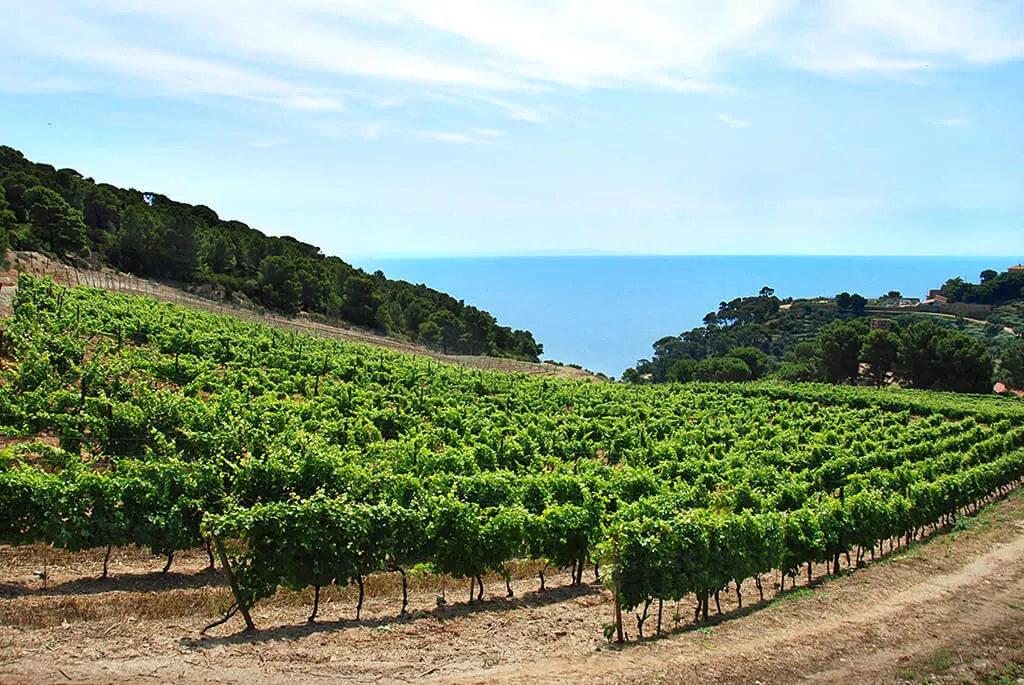
Gorgona
From the collaboration between Frescobaldi and the Gorgona Penal Institute, a unique wine was born, produced by the island’s inmates.

Where ToPurchase
info@frescobaldi.it |+39 055/27141